How Much Does a Trip to El Salvador Cost in 2026?
What travelers typically spend per day in El Salvador, why the US dollar makes budgeting easy, and what a full volcano day costs as a worked example.
 Written with Carlos Hernández, Santa Ana Volcano tour guide & hiking specialist
Short answer
El Salvador uses the US dollar, and travelers commonly report daily spends of roughly $35-50 on a backpacker budget, $70-120 midrange, and $150-250 with comfort, as typical ranges rather than statistics. The famous volcano day is the proof of value, about $17 all-in DIY per an April 2025 report, or one bundled tour price.
The first thing travelers notice when they land here is that the money in their wallet already works. No exchange booth, no mental math, just the same US dollars they flew in with. I watch it relax people before they have even seen a volcano. Since 2018 I have guided over a thousand hikers by my own count, and the budget conversations on the trail follow the same shape every time: the country costs less than people feared, and the highlights cost almost nothing. Here is the honest picture, with my mountain as the worked example.
How much does El Salvador cost per day?
Typical traveler-reported ranges, not official statistics: roughly $35-50 a day backpacking with buses, hostels and comedor meals; $70-120 midrange with private rooms, some tours and nicer dinners; $150-250 and up for boutique hotels, private transport and daily activities. Your mix of transport and tours moves the number more than anything else.
I want to be straight about what these bands are. Nobody publishes an official daily-cost statistic for tourists, so what you are reading here is the range that keeps showing up in trip reports and forum threads, rounded and framed loosely. Treat the bands as orientation, not accounting.
| Style | Typical reported daily range | What that day looks like |
|---|---|---|
| Backpacker | ~$35-50 | Chicken buses, hostel dorm, comedor plates, DIY hikes |
| Midrange | ~$70-120 | Private room, a paid tour every couple of days, restaurant dinners |
| Comfort | ~$150-250+ | Boutique stays, private drivers or rental car, daily tours |
What pushes people between bands is rarely food or beds, both stay gentle by regional standards. It is transport and organized activities. A $0.70 public bus and a private transfer bracket the same journey at wildly different prices, and that single choice, repeated daily, is most of the gap between the columns. Trip length matters too, and if you have not settled that yet, start with how many days you need in El Salvador before you multiply anything.
What currency does El Salvador use?
El Salvador uses the US dollar as its everyday currency, so American travelers skip exchange fees entirely and everyone else budgets in a currency they already know. The catch is cash: small bills rule outside cities, and the volcano trailhead, buses and market stalls take nothing else.
Dollarization is the quiet budgeting superpower of this trip. Prices read exactly like home, tips work the same way, and there is no airport-kiosk haircut on your money. The friction point is denomination, not currency. A $100 bill is nearly useless in a comedor and completely useless at a park booth, so break big notes at supermarkets and carry ones and fives. On my mountain, every single fee is cash only: entrance, guide, parking, the $2 rental poles, the paletas at the summit. Card culture exists in San Salvador malls and better hotels, then fades fast as the roads get smaller.
What does a five-day trip cost, as a worked budget?
Multiply the daily bands by five and you get roughly $175-250 for a backpacker trip, $350-600 midrange, and $750-1,250 with comfort, before flights. Inside each of those, the volcano day is either about $17 DIY or one bundled tour price. Round up, keep a cash float for the cash-only fees, and treat the totals as planning allowances.
Five days is the length most first-timers pick, so it is the honest number to work with. I am not going to pretend the arithmetic below is anything more than the daily bands stretched across a normal trip, but that is exactly how travelers actually budget, and it puts the volcano day in proportion.
| Style | Daily band | Five-day allowance | Where the volcano day sits |
|---|---|---|---|
| Backpacker | ~$35-50 | ~$175-250 | ~$17 DIY from Santa Ana city, bus 248 and the booths |
| Midrange | ~$70-120 | ~$350-600 | Bundled tour from the capital or beach, one live price |
| Comfort | ~$150-250+ | ~$750-1,250+ | Bundled tour, or rental car plus $3 parking and fees |
Two things jump out of that table. First, the volcano day is not what moves you between rows. A DIY summit at about $17 fits inside even the tightest daily band with room for pupusas, and the bundled tour is one line in a midrange week rather than the whole week. What moves you between rows is the daily transport habit and the bed. Second, the gap between the columns is wide because the country genuinely offers both ends: a $0.70 bus and a private driver serve the same road.
The one line I would never trim is the day with hard logistics. On a five-day trip based in San Salvador or at El Tunco, the volcano's single group ascent, last start 11:00, is unreachable by public bus, so the choice is a rental car for a day or the tour. Both are real money next to a $3 entrance, and both buy back a full trip day. If you are still shaping the days themselves, the volcano itinerary shows where the summit morning fits.
How much cash should you carry, and where do cards work?
Carry a cash float in small US bills, about $25 to $30 per person for any day that touches the volcano, buses or markets. Cards work in San Salvador malls and better hotels and fade fast beyond them. Every fee at the park is cash: $3 entrance, ~$4 guide, $3 parking, $2 poles, and the paletas at the summit.
Dollarization removes the exchange problem and leaves the denomination problem in its place. Nobody at a booth or on a bus can change a large note, and the trailhead has no ATM, so cash you did not break in town is cash you do not have on the mountain. I tell my own hikers to think in ones and fives, and to break bigger notes at a supermarket the evening before.
| Where you are | Payment reality | What to carry |
|---|---|---|
| San Salvador malls, better hotels | Cards widely accepted | Card, plus a small cash float |
| Comedores, market stalls | Cash, small notes | Ones and fives |
| Public buses (bus 248 ~$0.70) | Cash, exact-ish change | Coins and ones |
| Volcano park booths | Cash only, USD | $3 + ~$4 + $3 parking, in small bills |
| Trailhead pole stand, summit paletas | Cash only | $2 for poles, coins for the top |
| The bundled tour | Prepaid online | Cash only for tips and lunch drinks |
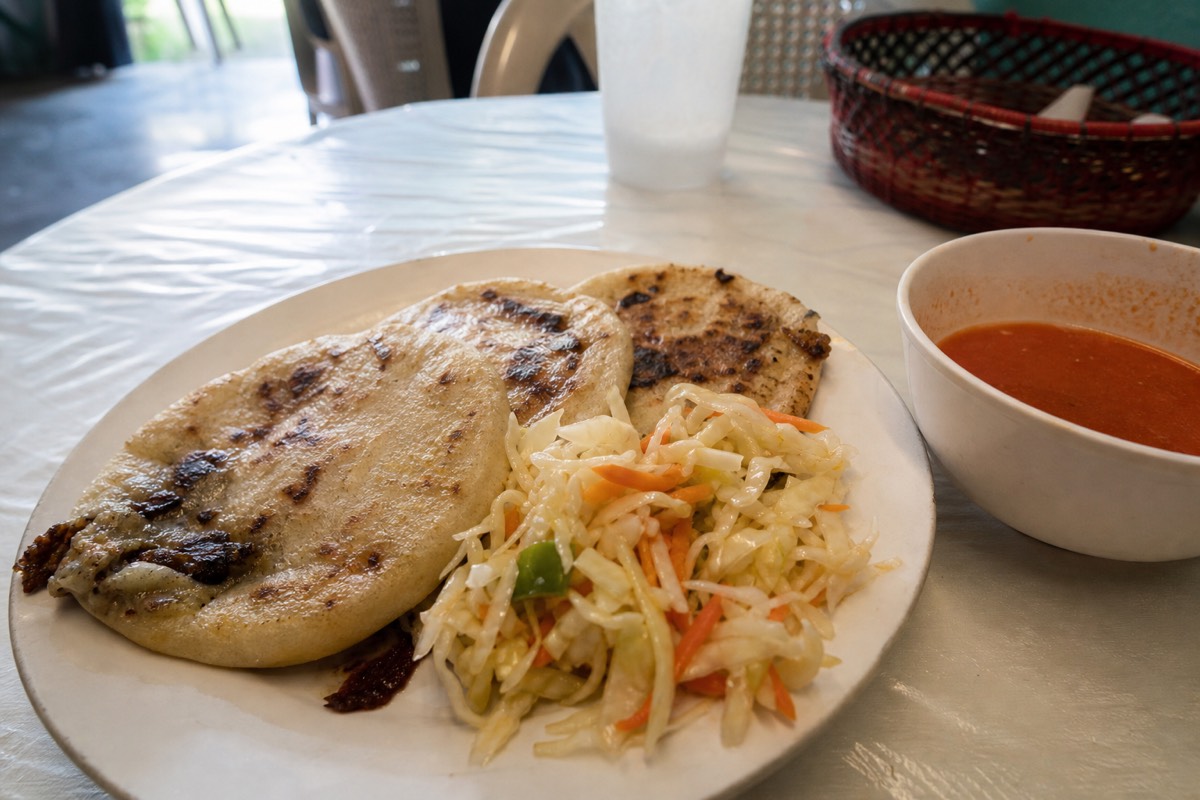
The float number is a planning allowance, not a rule. It covers the roughly ten dollars the park asks, the poles, a summit paleta, water and snacks bought in town, and a tip, with slack for the unplanned. On a tour day you can carry less, because admission, transport and lunch are already paid, but keep something for the guide and for the lakeside extras at Coatepeque.
The card map matters most for the transitions. Leaving the capital or the beach for volcano country is when the last reliable card terminal disappears behind you, and travelers who did not stock up on small notes discover it at the entrance booth. Break the notes at the start of the trip and the whole cash question goes quiet for five days.
Which costs are fixed, and which move with demand?
Public costs are fixed and small: $3 park entrance, about $4 for the group guide, $3 parking, roughly $0.70 for bus 248, comedor plates. Market costs move with demand: hotel rooms, tours, rental cars, surf-town rentals. With a record 4.1 million visitors in 2025 and arrivals up 35% in early 2026, the market column climbs, the fixed column does not.
Splitting your budget into these two columns is the single most useful trick I know for this country. The fixed column you can write down today and trust. The market column you should book early for peak dates and price live, and never trust a number you read on a blog, including this one.
| Cost | Fixed or market? | Moves with season? | How to handle it |
|---|---|---|---|
| Park entrance ($3) | Fixed, posted | No | Cash, small bills |
| Group guide (~$4) | Fixed | No | Cash at the trailhead |
| Parking ($3) | Fixed | No | Cash if driving |
| Bus 248 (~$0.70) | Fixed | No | Coins |
| Comedor meals | Effectively fixed | Barely | Cash |
| Hotel rooms | Market | Yes, dry season higher | Book ahead Dec-Feb |
| Rental cars | Market | Yes | Compare live |
| Guided volcano day | Market, live on Viator | Yes, with availability | Book early, free cancellation to 24 h |
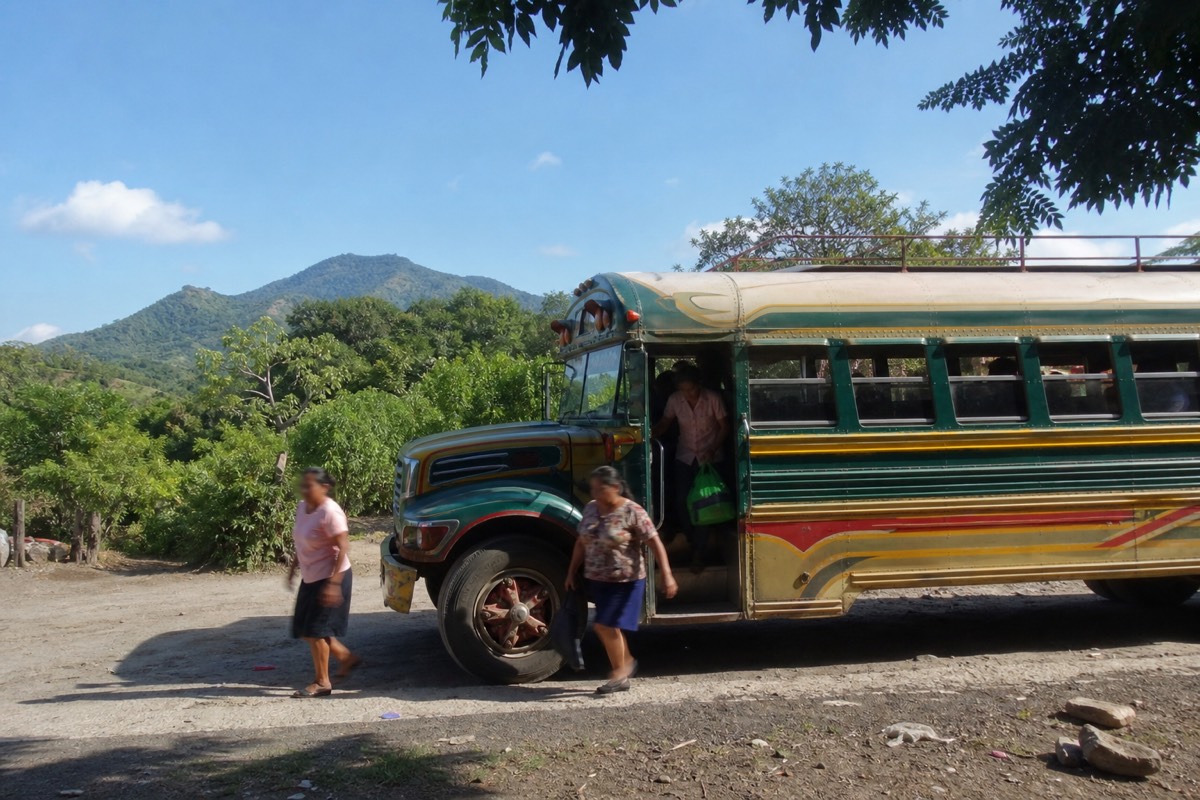
The reason the fixed column stays flat is that it is public. Fees at the park are set by the park, not by the guides, and there is no seasonal surcharge, no weekend rate, no premium for a clear day. That is unusual for a marquee attraction anywhere, and it is why the DIY volcano day was independently reported at about $17 in April 2025 and would cost the same booth cash today.
The market column is where the tourism boom lives. Record arrivals, a Level 1 US State Department rating, and a country suddenly on everyone's list mean the December to February rooms and tour dates fill. The good news is that the featured guided day carries free cancellation to 24 hours before, so locking in a peak-season date early costs you nothing in flexibility. Book the market items early, pay the fixed items in cash on the day, and the budget behaves.
What budgeting mistakes does Carlos see travelers make?
The recurring ones, from my own notes: arriving in volcano country with only large notes, spending on a private guide at $35 to $40 because they missed the group window, saving pennies on buses and then losing a whole trip day to logistics, buying no water in town when none is sold on the upper trail, and forgetting parking.
Since I started guiding this trail I have watched budgets fail in the same few places, and none of them are the places people worry about. Beds and food take care of themselves. Here is my list, offered as things I have seen rather than any operator's rules.
| The mistake | What it costs | The fix |
|---|---|---|
| Only large notes at the booth | Delay, embarrassment, sometimes a walk back to town | Break notes at a supermarket the night before |
| Missing the 11:00 last start | Private guide at $35-40, or no climb | Take the 7:30 bus 248 or the tour pickup |
| Public bus from San Salvador "to save money" | The window is unreachable; the day is lost | Rent a car or take the tour from the capital |
| No water bought in town | Nothing sold on the upper trail; a miserable descent | Carry 2 L per person |
| Skipping the $2 poles | Slower on the loose rock near the rim | Rent them, as reviewers keep advising |
| Forgetting parking | An unplanned $3 | Add it to the ten-dollar park lump |
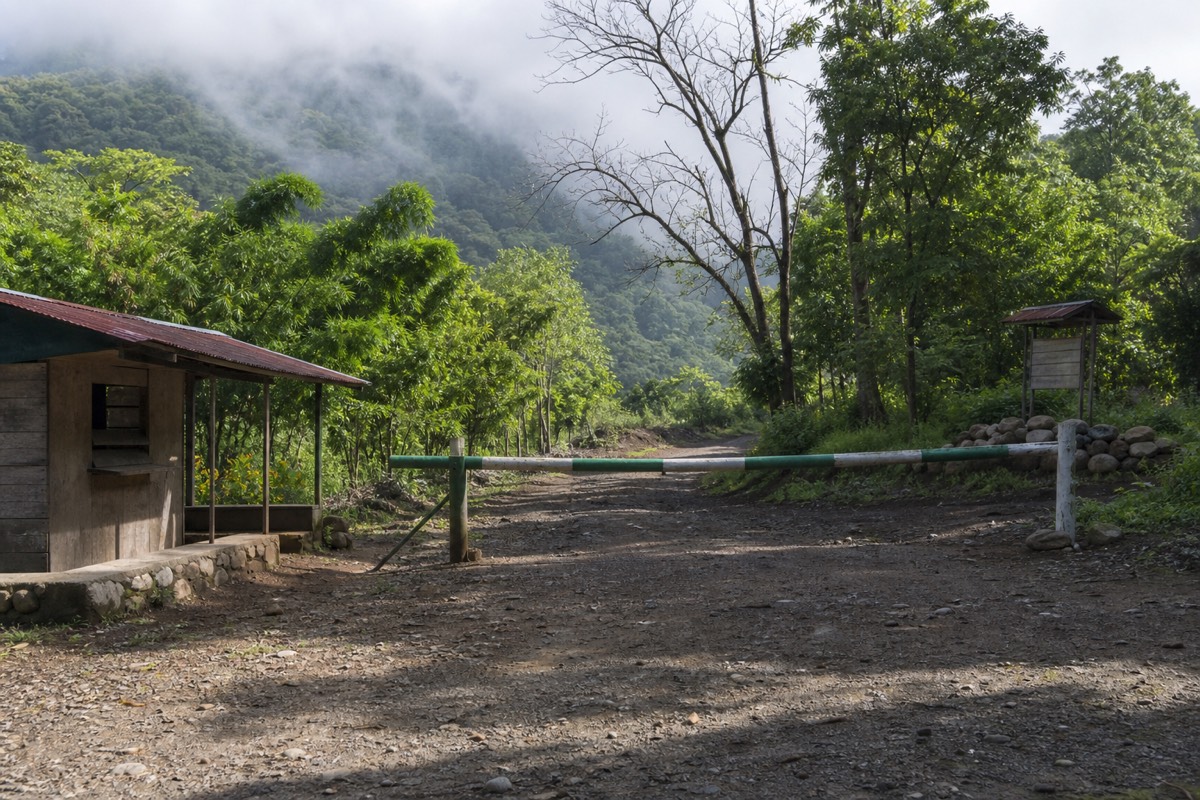
The false economy is the one I care about most. A traveler saves a few dollars every day on transport, then tries to reach the volcano from the capital by bus and finds there is no route inside the window. That is not a $3 mistake, it is a lost day out of five, and it is why I tell people to be cheap everywhere except the pinch points. The volcano morning is the pinch point. If your base is San Salvador or the coast, put money there, either a car for the day or the guided day tour, and be frugal on the days that forgive it.
The private-guide mistake follows the same logic. At about $4 the group guide is the deal of the country, and the private option at $35 to $40 is a fine product for someone who wants their own pace. As a penalty for arriving late, though, it is the most expensive ten minutes of tardiness in El Salvador. The bus leaves Santa Ana city at 7:30 for a reason.
How big a share of the trip does the volcano day take?
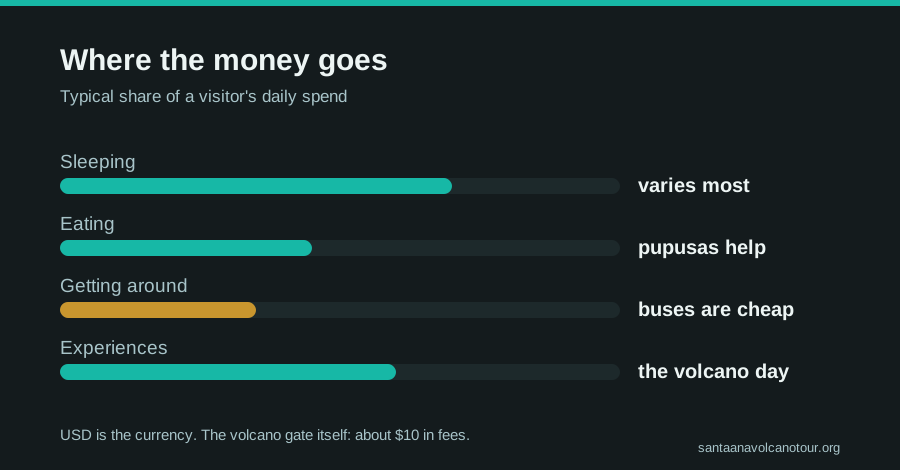
Small, at any budget. DIY at about $17 is less than half of a single backpacker day in the daily bands above, and the bundled tour is one line in a midrange week rather than a chunk. Measured against what it delivers, the highest summit in the country plus Lake Coatepeque, it is the best-value day of the trip.
I like to put it this way to hikers who ask whether the mountain is worth a scarce day and a scarce dollar. The summit at 2,381 m is the highest volcano in El Salvador. The trail is a moderate 6.9 km round trip with about 470 m of gain, three to four hours of walking, and at the top there is a turquoise sulfuric lake you cannot see anywhere else in the country. Add Coatepeque, a caldera lake roughly 10 km across, and you have the two biggest natural sights of the west in a single day. The bill for the mountain half of that is a $3 entrance and about $4 for a guide.
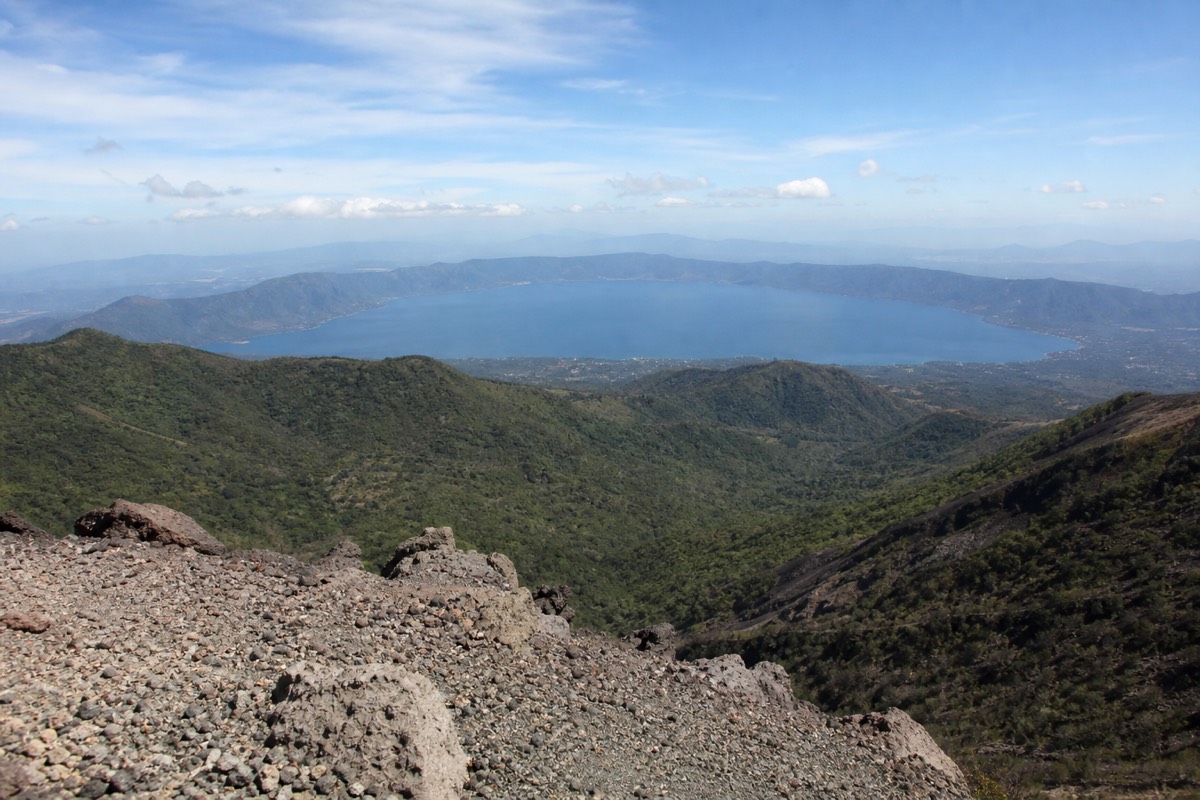
For a backpacker based in Santa Ana city, the whole day at about $17 leaves the daily band mostly untouched. For a midrange traveler at El Tunco, the tour price is a known figure that also replaces a rental car, the drive, the fee booths and lunch, so it is fairer to compare it with the whole DIY day than with a $3 ticket. Either way the volcano is where I would spend first and cut last.
The country's arrivals story backs that up. Visitors hit a record 4.1 million in 2025 and the first four months of 2026 ran 35% higher, and a great many of those people are on the trail for exactly this reason: a world-class summit at a fraction of what it costs elsewhere. If the day still feels like an open question, is the volcano worth it is my long answer. The short one is that no other day of your budget will return as much per dollar.
What does the volcano day cost, as a concrete example?
The Santa Ana climb is the best value audit of the whole country: $3 park entrance, about $4 for the mandatory group guide, $3 parking, $0.70 each way by bus, roughly $17 all-in per an April 2025 traveler report. The alternative is one bundled tour price covering transport, admission, guide and lunch.
Numbers this small for a summit this good are why I never worry about travelers feeling cheated here. The fee structure is fixed by the park and the trail itself is documented at 6.9 km round trip on AllTrails, rated moderate.
| Volcano-day line item | DIY (cash, USD) | Bundled tour |
|---|---|---|
| Park entrance | $3.00 | Included |
| Local guide (mandatory) | ~$4.00 group | Included, bilingual |
| Parking or bus | $3.00 park / ~$1.40 bus | Hotel pickup included |
| Lunch | Your own | Lake Coatepeque lunch included |
| Poles, paletas | ~$2 + change | Same, bring small bills |
| Realistic total | ~$17 | One live Viator price |
The asterisk on the DIY column is geography. The cheap bus only works from Santa Ana city, and there is no public route from San Salvador or the beach that reaches the last 11:00 ascent start. So travelers based in the capital or at El Tunco either rent a car or book the guided day tour and check live availability and prices on Viator, which folds transport, admission, guiding and a lakeside lunch into a single known cost. Rated 4.9 across 869 reviews, it is the one line in most visitors' budgets that buys back an entire day of logistics. The full arithmetic lives in what the volcano day really costs.
Are prices rising with the tourism boom?
Yes, gently. El Salvador drew a record 4.1 million international visitors in 2025, worth about $3.6 billion, and early 2026 arrivals ran 35% ahead of that. Demand is lifting hotel and tour prices, especially in the dry season, but park fees and bus fares remain fixed and tiny.
This is the fastest-changing travel story in Central America. The US State Department moved the country to Level 1, exercise normal precautions, the same tier as much of Western Europe, and visitors followed: 4.1 million in 2025, then 1.7 million in just the first four months of 2026. What that means for your wallet is simple. The fixed public costs, entrance fees, buses, comedor plates, have barely moved. The market-priced costs, boutique rooms, surf-town rentals, dry-season tours, are climbing with demand. Book the big-ticket items ahead for December to February and let the small stuff take care of itself. The safety picture behind the boom is its own topic, covered in is El Salvador safe for tourists.
How can you keep the trip cheap without ruining it?
Ride the buses for short hops, eat where the workers eat, travel in the green season, carry small bills, and spend your tour budget on the one or two days where logistics genuinely beat DIY. Saving $3 everywhere and then missing the volcano window is the false economy I see most.
| Cost saver | The move | What it protects |
|---|---|---|
| Green-season timing | Travel May-Oct | Lower room rates, thinner crowds |
| Public buses | $0.70-style fares on set routes | Daily transport budget |
| Comedor lunches | Local set plates | Food budget, and the food is better |
| Small bills | Break notes at supermarkets | Every cash-only booth and bus |
| Group guide, not private | ~$4 versus $35-40 on the volcano | The single biggest trail saving |
| Spend on the pinch points | Tour the days with hard logistics | Your limited trip days |
That last row is my real advice. A cheap trip that wastes two of its seven days on missed connections is more expensive than it looks. Put your money where the schedule is unforgiving, keep the rest local and simple, and El Salvador stays one of the best-value countries I know.
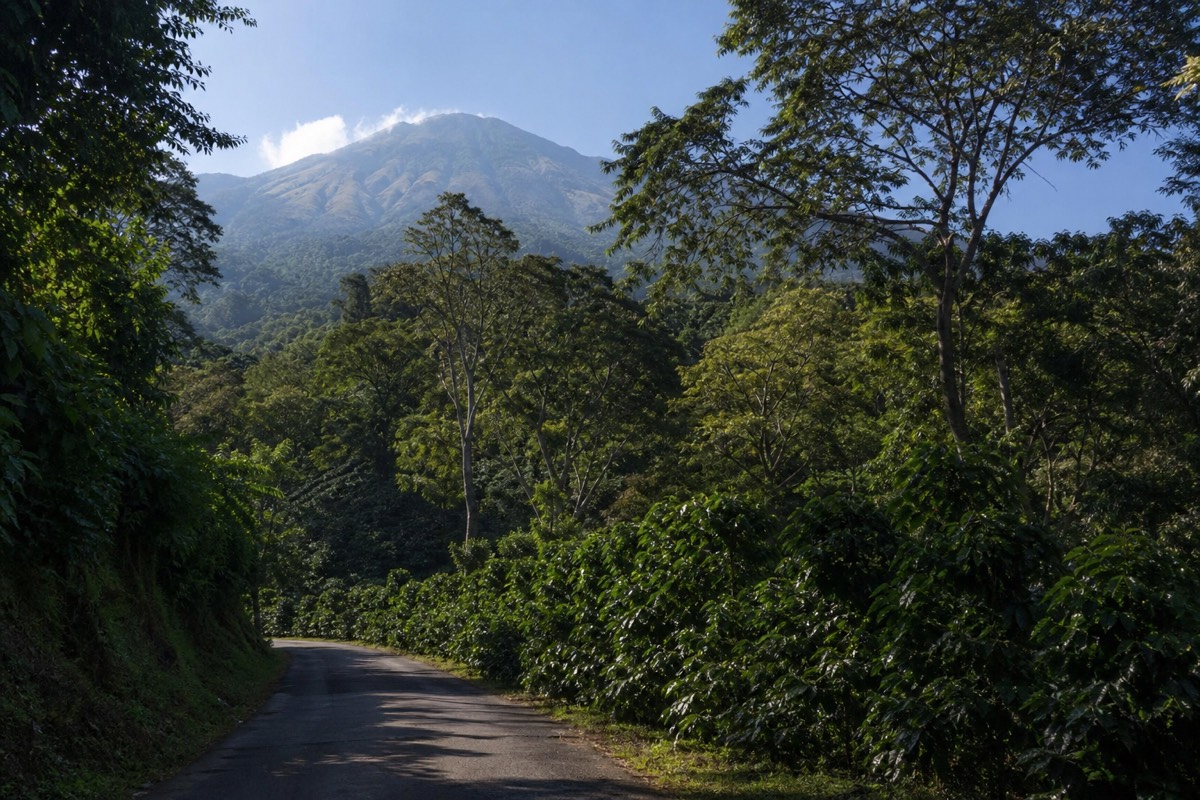
Budget honestly, round up a little, and you will come home under. The country's best moments, a turquoise crater, a $0.70 bus ride through coffee country, a paleta at 2,381 meters, cost either pocket change or nothing at all.